The idea
Children are afraid of monsters. This is well established and has been true for approximately as long as children have existed. The monsters live under the bed, in the wardrobe, in the dark at the end of the corridor — formless, unknowable, and therefore terrifying.
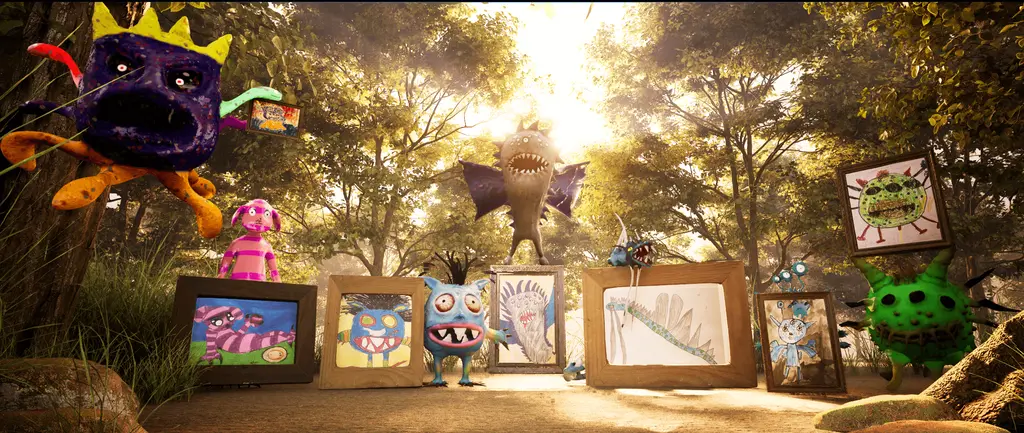
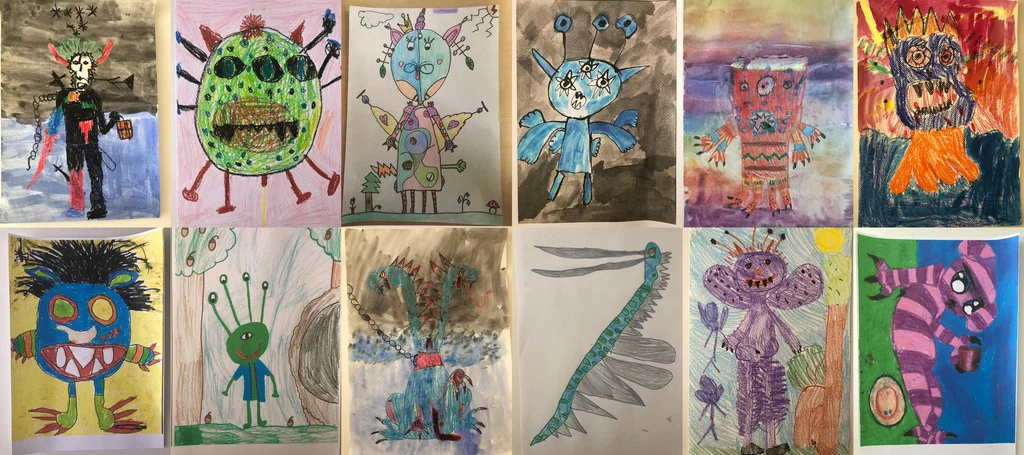
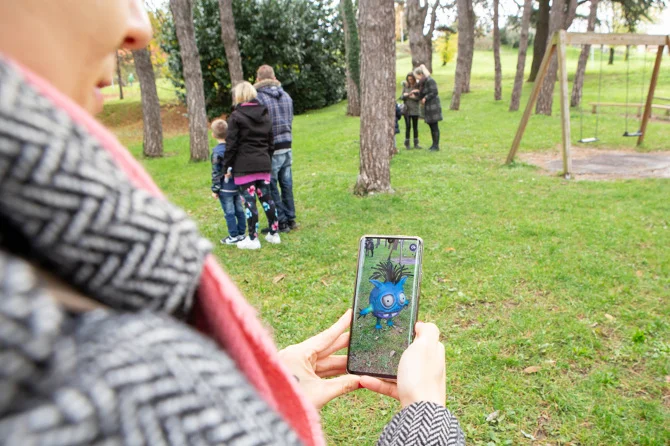
The premise of MONSTAR was simple and, on reflection, rather brilliant: what if children drew their own monsters? Gave them a shape, a face, a specific number of eyes? And then — what if those monsters were made real, given volume and texture and a presence in the physical world, and placed in the park for children to find and face?
Fear, the project argued, can be controlled if you know the enemy. A monster you invented, modelled, and can walk around in augmented reality is no longer unknowable. It is yours. And yours is, it turns out, not very frightening at all.
It was a success.
The process
- 01 — Collection — visual artist Valerie Wolfgang visited kindergartens and invited children to draw their monsters. Not suggested monsters, not guided monsters — their monsters. The results were, as you’d expect from children aged four to six, imaginative, strange, and entirely sincere.
- 02 — 3D interpretation — each drawing was interpreted into a 3D model, retaining the character and idiosyncrasy of the original sketch while giving it the geometry needed to exist in a real-time renderer. The challenge was faithfulness: the models had to feel like the drawings, not like polished studio characters.
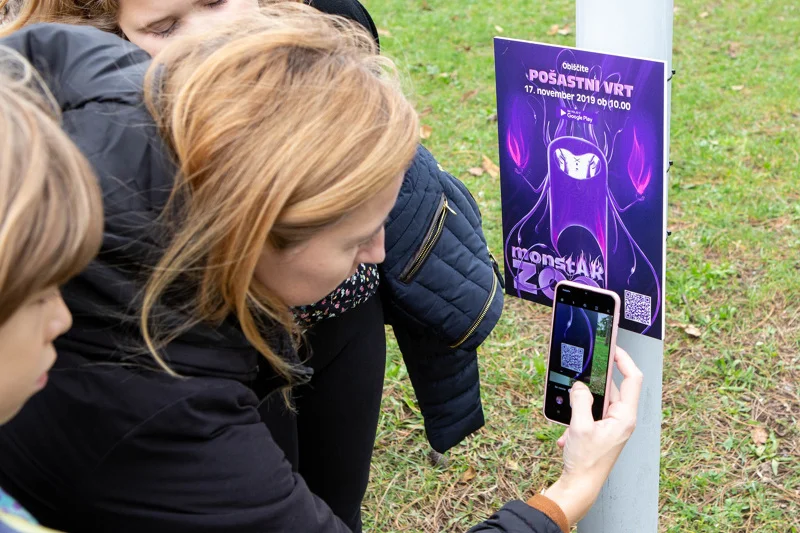
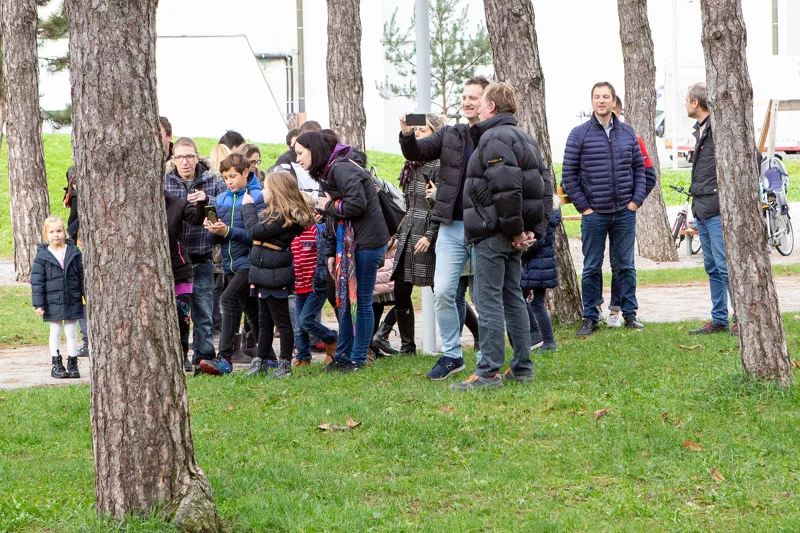
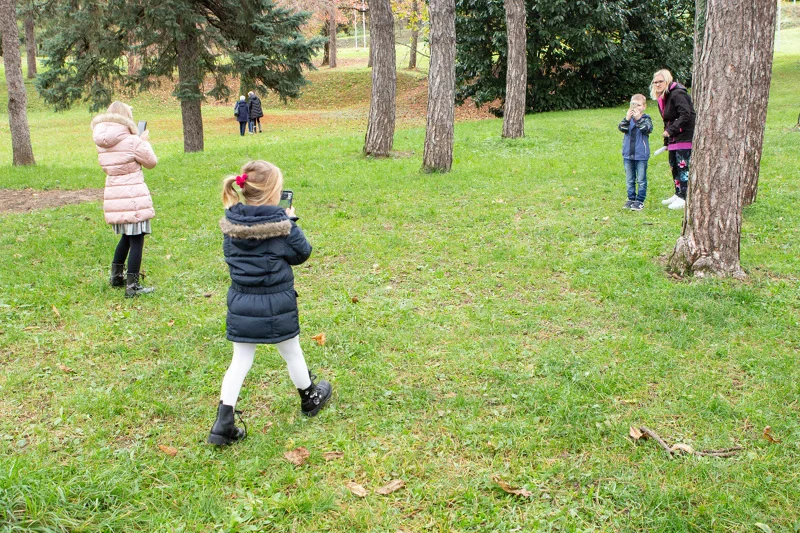
- 03 — AR experience — AkeoLab studio integrated the 3D models into augmented reality experiences for children to encounter in the park. Point a device. Find a monster. Walk around it. Realise it was yours all along.
The monsters
Collaborators
- Valerie Wolfgang — visual artist and initiator of the project. Collected the children’s drawings, defined the concept, and provided the creative direction that kept the 3D interpretations honest to their source material.
- AkeoLab — studio responsible for the AR experience layer, integrating the 3D models into a deployable augmented reality application for children to use in the park environment.